
Can a Diabetic Donate Blood? Rules, Risks & Who Qualifies
Can diabetics donate blood? Learn eligibility, risks, insulin rules, and safety tips. Plus, what to do with unused diabetic supplies in New Jersey.
4/22/20263 min read
Can a Diabetic Donate Blood? (What You Need to Know Before You Go)
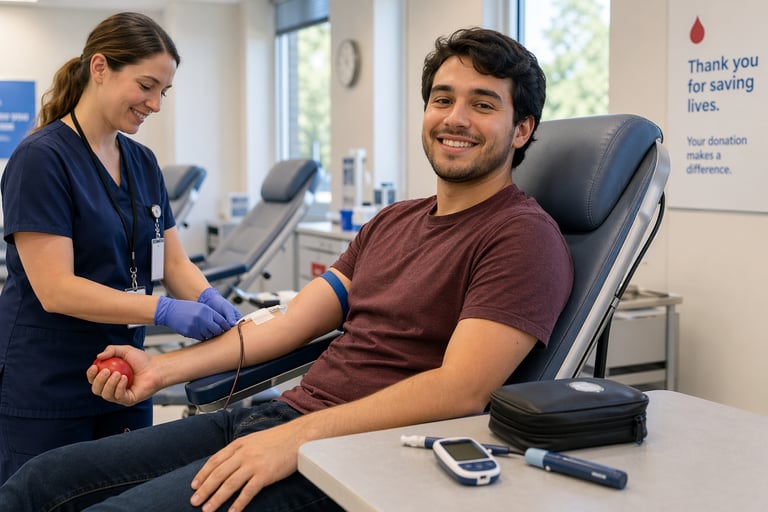
If you have diabetes and you’ve ever wondered, “Can a diabetic donate blood?” — the short answer is: yes, in many cases you can. But there are some important conditions, restrictions, and safety factors you need to understand before heading to a donation center.
As a professional diabetic supply buyer working closely with individuals managing diabetes every day, I’ve seen a lot of confusion around this topic. This guide will break it down clearly so you know exactly where you stand — and how it may relate to your overall health and even unused supplies you might have at home.
Can a Diabetic Donate Blood?
Yes — most people with diabetes can donate blood, as long as their condition is well-controlled and they meet general donation requirements.
Who Qualifies to Donate Blood?
You can donate if:
Your blood sugar is stable and controlled
You feel healthy on the day of donation
You are not experiencing complications
You meet standard requirements (age, weight, hemoglobin)
You may not be eligible if:
Your diabetes is uncontrolled
You have infections or complications
You recently had surgery or were hospitalized
You feel dizzy or unwell
Does It Matter If You Use Insulin?
Can Diabetics on Insulin Donate Blood?
Yes — being on insulin does not disqualify you. Modern guidelines allow insulin users to donate blood as long as their diabetes is stable and well-managed.
The most important factor is overall health and control, not the medication itself.
Blood Sugar Levels and Donation Safety
Why Blood Sugar Matters
Donating blood temporarily reduces your blood volume, which can impact your energy levels and blood sugar stability.
Best Practices Before Donating
Eat a balanced meal beforehand
Stay hydrated
Avoid donating on an empty stomach
Check your blood sugar before going
If your levels are too high or too low, it’s best to wait.
Risks for Diabetics Donating Blood
Possible Risks
Dizziness or lightheadedness
Blood sugar fluctuations
Slower recovery if poorly controlled
How to Reduce Risk
Bring a snack
Monitor your glucose
Inform staff about your condition
Can Type 1 vs Type 2 Diabetics Donate Blood?
Type 1 Diabetes
Usually eligible if blood sugar is stable and there are no active complications.
Type 2 Diabetes
Often eligible, especially if managed with diet, oral medication, or insulin.
There is no automatic restriction based on type alone.
Real-World Example
One common situation I see is someone managing diabetes through insurance who receives extra supplies each month. Over time, they build up unused boxes of test strips or sensors. Their blood sugar is controlled, they feel healthy, and they consider donating blood.
In this case, they’re likely eligible to donate — but they also realize they may have hundreds of dollars in unused diabetic supplies sitting at home.
(Insert testimonial or real client story here if publishing.)
What Disqualifies a Diabetic from Donating Blood?
Common Disqualifiers
Active infections
Open wounds or ulcers
Recent hospitalization
Unstable blood sugar levels
Certain medications (case-by-case)
Always check with your local donation center for final approval.
Related Questions People Ask
Can a diabetic donate plasma?
Yes, but plasma centers often have stricter guidelines.
Can donating blood lower blood sugar?
It can slightly affect your levels, so monitoring is important.
Is donating blood good for diabetics?
It doesn’t directly improve diabetes, but it is safe for many and helps others.
How often can diabetics donate blood?
Typically every 8 weeks for whole blood.
What This Means for You
If you’re a diabetic living in New Jersey, you likely qualify to donate blood if your condition is controlled. But just as important, many people don’t realize they have extra supplies at home.
What to Do With Extra Diabetic Supplies
Turn Unused Supplies Into Cash
Many people:
Switch brands (Dexcom, Libre, etc.)
Receive extra shipments through insurance
Stop using certain products
Instead of letting them expire, you can sell them.
FAQ Section
Can a diabetic donate blood if they take medication?
Yes, most medications are allowed if your condition is stable.
Do I need to tell the donation center I have diabetes?
Yes, always inform them so they can monitor you properly.
Can I donate blood if my blood sugar is high?
No, it’s best to wait until your levels are normal.
Can diabetics donate platelets?
Yes, but guidelines may be stricter.
Is there a weight requirement?
Yes, typically at least 110 lbs.
Final Thoughts + Call to Action
So, can a diabetic donate blood? Yes — as long as your condition is controlled and you feel healthy.
But here’s something most people overlook:
You may have unused diabetic supplies sitting at home right now — and they could be worth money.
Get Paid for Your Extra Supplies
If you’re in New Jersey, you can turn those extra supplies into cash quickly.
Call or text 732-890-0814 now to get a quote.
Simple process. Fast payment. No hassle.
You’re already managing your health — you might as well get paid for what you don’t use.

Get in touch
Contact Us
Hours of Operation
Navigation
Monday: 9am - 9pm
Tuesday: 9am - 9pm
Wednesday: 9am - 9pm
Thursday: 9am - 9pm
Friday: 9am - 9pm
Saturday: 9am - 9pm
Sunday: 9am - 9pm